Microfibre Cloths: Why Professional Cleaners Swear By Them
If you've ever watched a professional cleaner work, you've probably noticed they use microfibre cloths, often colour-coded, always folded in a particular way. It's not just a preference. It's one of the most important tools in the kit.
Here's why microfibre cleaning cloths work better than regular cloths, how to use them properly, and the simple system that keeps your home hygienic without extra effort.
What Makes Microfibre Different?
Microfibre cloths are made from ultra-fine synthetic fibres, typically a blend of polyester and polyamide. Each fibre is split into microscopic strands that create a massive surface area relative to the size of the cloth.
What this means in practice:
They trap and hold particles: dust, bacteria, and grime get caught in the fibres rather than being pushed around
They work with less product: often just water is enough for general surface cleaning
They don't leave lint or streaks: perfect for glass, mirrors, and polished surfaces
They're reusable: a good microfibre cloth lasts hundreds of washes
A standard cotton cloth pushes dirt around. A microfibre cloth picks it up and holds it.
The Colour-Coding System Professional Cleaners Use
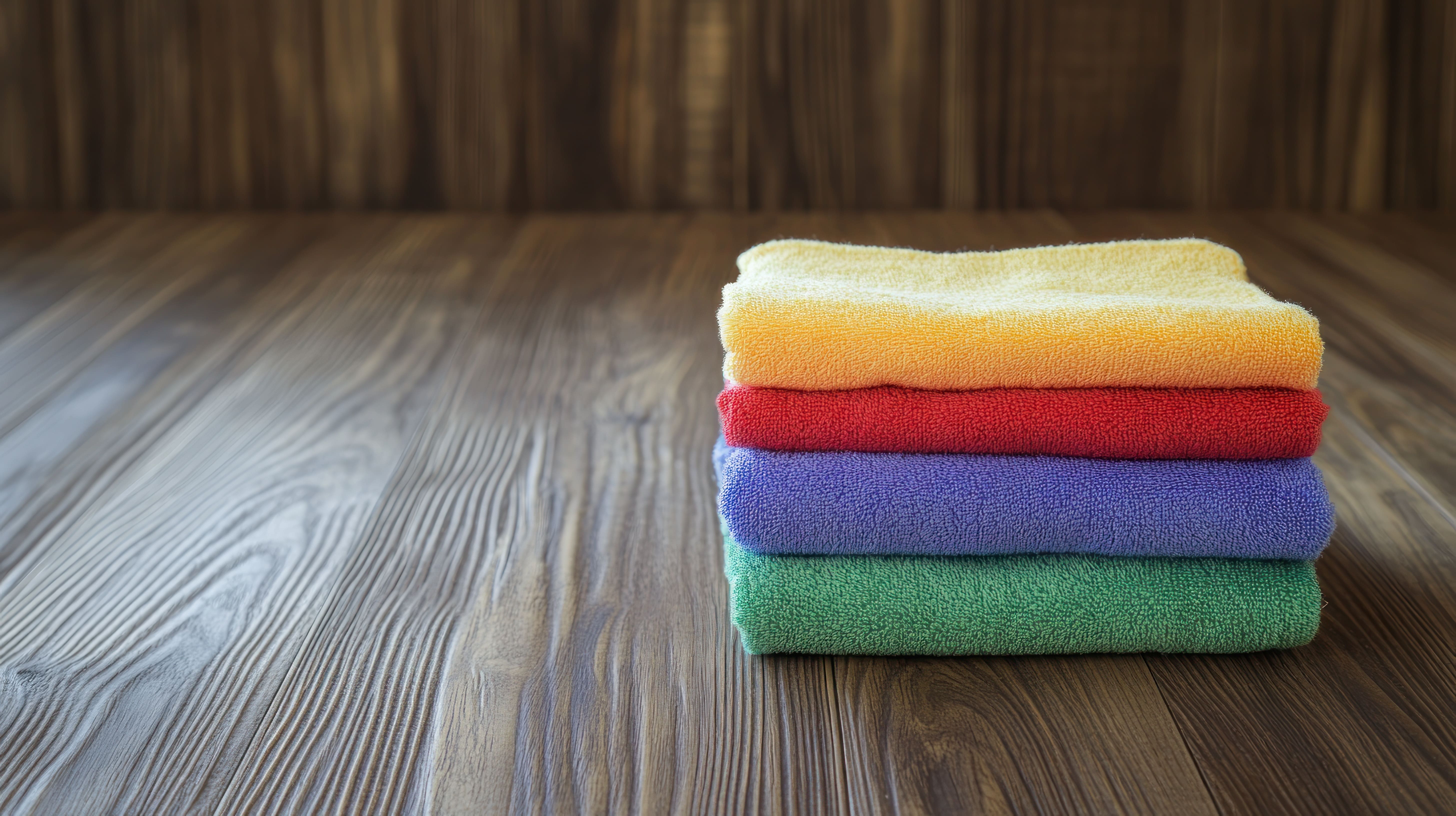
Professional cleaners use colour-coded microfibre cloths to prevent cross-contamination between areas. It's simple, effective, and one of the easiest cleaning upgrades you can make at home.
Blue: general surfaces (living areas, bedrooms, dusting)
Green: kitchen (benchtops, stovetop, sink, appliances)
Red: bathrooms (toilet, basin, floor)
Yellow: high-risk surfaces or specialty areas
The colours don't matter as much as the system. What matters is that you never use the same cloth in the bathroom and the kitchen.
Read about common house cleaning mistakes.
Want a home cleaned with professional-grade tools and eco-friendly products? Enquire now.
How to Use Microfibre Cloths Properly
Fold, don’t scrunch
Fold your cloth into quarters. This gives you eight clean surfaces to work with (four on each side). When one side gets dirty, flip or refold. This simple habit means one cloth does the work of several.
Dampen, don’t soak
For most surfaces, a lightly dampened microfibre cloth is all you need. If you're using a cleaning product, spray onto the cloth, not the surface, for better coverage and less waste.
Wash properly
Microfibre cloths should be washed after each use. Use warm water and a gentle detergent. Avoid fabric softener. It coats the fibres and reduces their effectiveness. Tumble dry on low or air dry.
Why This Matters for Eco-Friendly Cleaning
Microfibre cloths reduce the amount of cleaning product you need, which means fewer chemicals going down the drain and into waterways. They're reusable for years, replacing hundreds of paper towels and disposable wipes.
At Cultivate Clean, microfibre cloths are a core part of our cleaning kit. Combined with our non-toxic, greywater-safe products, they help us deliver a clean that's effective, hygienic, and gentle on the environment.
Explore our eco-friendly cleaning approach.
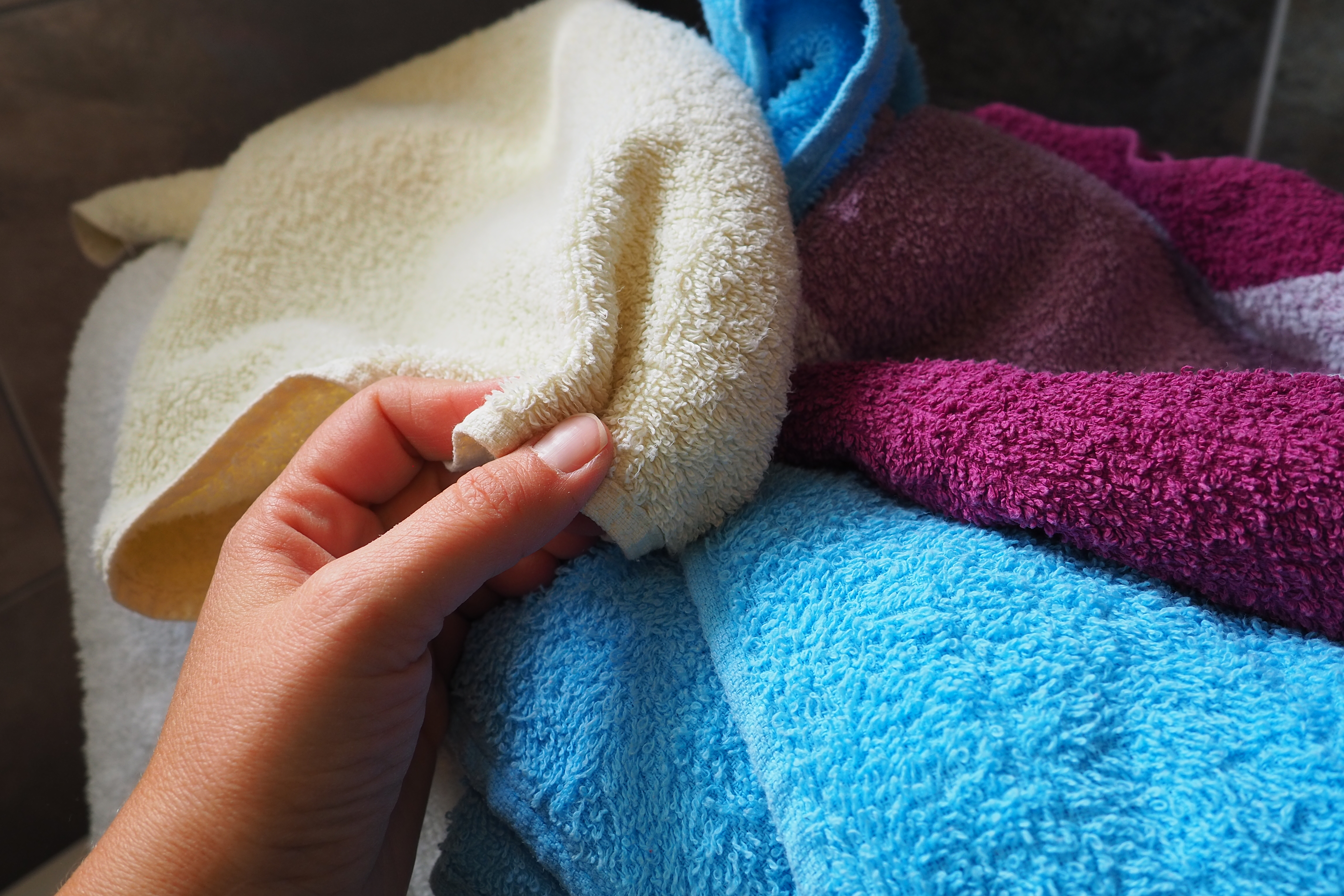
It's a small tool that makes a big difference. And once you start using them properly, you'll wonder why you ever cleaned any other way.
See the difference professional cleaning makes. Enquire with Cultivate Clean.