Common House Cleaning Mistakes, and What Professionals Do Instead
Most of us learned to clean from watching how it was done at home. Which means most of us have inherited a few habits that aren't quite right, not wrong enough to notice immediately, but wrong enough to make the job harder, less effective, or (in some cases) counterproductive.
These are the most common mistakes we see, and the simple professional approach that fixes each one.
Cleaning in the Wrong Order
If you vacuum before you dust, you'll need to vacuum again. Dust from shelves, fans, and skirting boards settles on the floor, and if it's already been vacuumed, all that effort is wasted.
The professional approach: Work top to bottom, left to right, every time. Ceiling fans first. High shelves and surfaces next. Furniture and mid-height areas. Then vacuum and mop last. What gets dislodged is always collected at the final stage.
Using the Same Cloth Everywhere
One cloth through the bathroom, then the kitchen bench, and you've not cleaned those surfaces, you've redistributed what was on them. It's one of the most common home cleaning mistakes, and one of the easiest to fix.
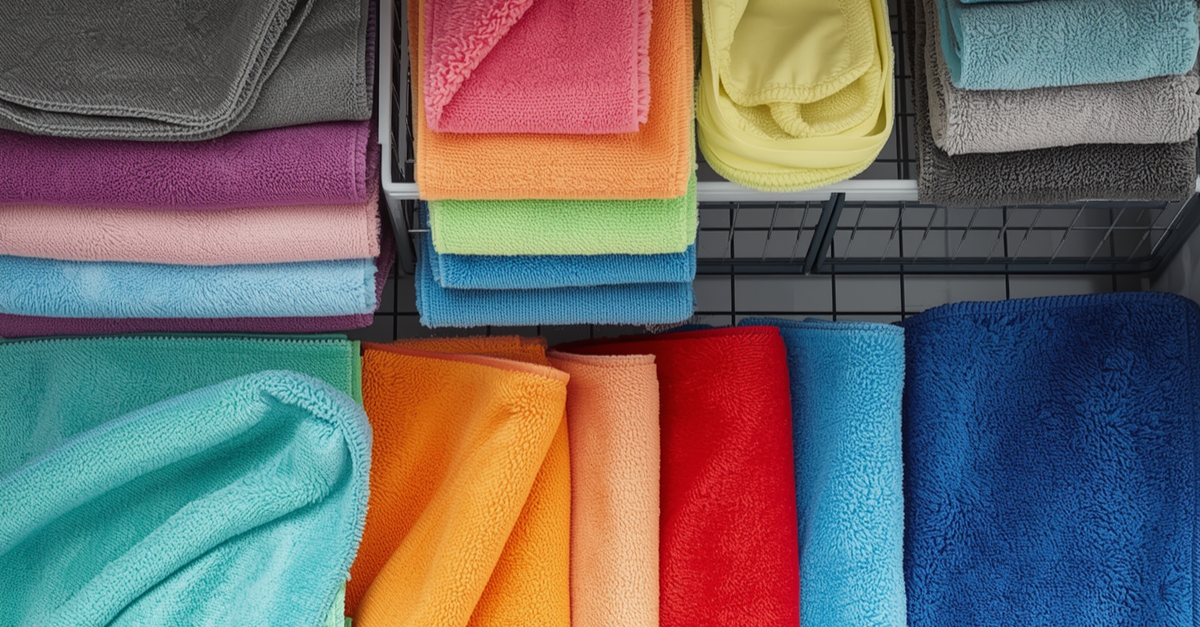
The professional approach: Colour-coded microfibre cloths. Each colour has a zone: bathroom, kitchen, general surfaces, and they never cross. Cloths are washed between every clean at high temperature. It sounds simple because it is. It just needs to be done consistently.
How we ensure hygienic results on every visit.
Spraying Product Directly on Surfaces
Spraying cleaner directly onto a timber surface, stainless steel appliance, or TV screen can leave residue, cause streaks, and, over time: damage the finish. It also means you're using more product than you need.
The professional approach: Spray onto the cloth first, not the surface. You get better coverage, more control, and no overspray on areas you didn't intend to clean. For glass and mirrors, a lightly dampened microfibre cloth is often all that's needed.
Not Giving Products Time to Work
Spray, wipe immediately, move on. It feels efficient. But most cleaning and disinfecting products need contact time: usually 30 seconds to two minutes: to actually do what they're designed to do. Wiping 10 seconds after spraying means the product hasn't had time to act.
The professional approach: Spray a surface, then move to the next one. Come back to wipe after the dwell time has passed. It doesn't take longer once it becomes habit, and the results are genuinely better.
Want every room cleaned properly, on a schedule that suits you? See how we work.
Forgetting High-Touch Surfaces
Floors, sinks, benchtops: the obvious areas get cleaned. But high-touch surfaces like light switches, door handles, tap fixtures, remote controls, and drawer pulls are touched dozens of times a day and rarely make it onto anyone's cleaning list.
The professional approach: These are on every checklist. It takes seconds per surface and makes a real difference, especially through winter and flu season. It's not dramatic. It's just thorough.
Using the Wrong Product on the Wrong Surface
Bleach on stainless steel leaves marks. Vinegar on marble causes etching. Excess water on timber flooring causes warping. The wrong product doesn't just fail to clean: it damages what you're trying to clean.
The professional approach: Match the product to the surface.
Marble and natural stone: pH-neutral cleaner only
Stainless steel: damp microfibre cloth, or a dedicated stainless polish
Timber floors: barely damp, never wet; no acidic or alkaline cleaners
Glass and mirrors: water-and-vinegar solution or dedicated glass cleaner, microfibre cloth
This is one of the underrated benefits of using an eco-friendly professional cleaning service: gentle products are generally safer across more surface types, with fewer exceptions.
Why we use eco-certified, surface-safe products on every clean.
Skipping the Forgotten Areas
Regular cleaning of the same surfaces, week after week, while the less obvious areas accumulate. It's gradual: you don't notice until it's significant.
The places that tend to get missed:
Behind and under appliances: the fridge, washing machine, and oven collect grease, dust, and grime quickly
Ceiling fans: a major reservoir of dust that gets redistributed every time the fan runs
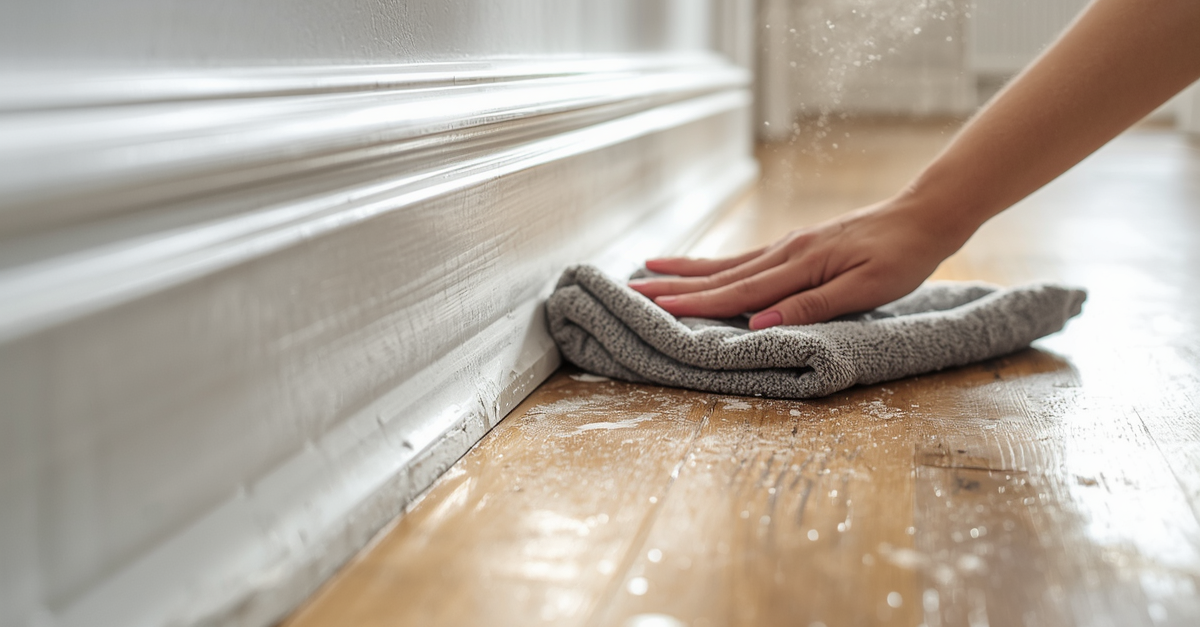
Skirting boards: especially in corners and behind furniture
Window tracks: moisture and debris build up, particularly through Melbourne's wetter months
Inside bins: cleaning the outside while leaving the inside is a common one
A professional deep clean every few months works through all of these systematically. In between, adding one forgotten area to your weekly routine keeps things manageable.
Book a deep clean: we get into every corner.
Working Without a System
Moving from room to room based on what catches your eye is the slowest, least effective way to clean. Things get missed. Effort gets duplicated. The whole process takes longer than it should.
The professional approach: A consistent system. Same order, same rooms, same process on every clean. Professional cleaners work from a checklist, not memory. When every visit follows the same structure, nothing gets overlooked and the standard stays consistent.
Getting house cleaning right isn't complicated: but it does take the right method, the right products, and a process you follow every time. If you'd rather hand it over to someone who has all three, Cultivate Clean services Eltham and the north-east Melbourne suburbs.
Leave it to us. Book your professional home clean.